Beatmakers in blues: The Unlikely Fusion Defining 2026
The Rise of the Digital Delta
The legendary crossroads, where Robert Johnson supposedly gained his guitar skills, now has a digital version. In this new space, the sad sound of a slide guitar blends with the exact beats of a drum machine. Field hollers are chopped, twisted, and layered over deep sub-bass. This article explores blues-hop, a new and speculative sound led by beatmakers in blues. We are not documenting an existing genre. Instead, we examine a potential artistic evolution. Our aim is to reinterpret a foundational American genre for today’s audiences and new creative talents.
For decades, blues music has inspired many other genres. It notably fueled rock and roll, soul, and R&B. However, blending blues with modern electronic production and hip-hop methods is a potentially big evolutionary step. By 2026, this unique hybrid sound could become prominent. Platforms like SoundCloud and Bandcamp might help it become a key part of the independent music scene. Artists who appreciate both Muddy Waters and the pioneering spirit of J Dilla would likely champion this movement. This shows the blues’ lasting power. It also proves that its compelling stories and deep emotion can be shared through a sampler as effectively as a vintage amplifier.
From ‘Play’ to Present: The Historical Undercurrent
Blending blues with electronic elements is not a new idea. However, today’s music scene shows a deeper, artist-driven approach. Many remember Moby’s classic 1999 album, Play. It famously used sampled vocals from Alan Lomax’s field recordings. This introduced them to a global audience and was very successful. But that project mainly showed a producer’s take on old sounds. Similarly, artists like Beck have used many samples. Bands like G. Love & Special Sauce and The Black Keys have added hip-hop rhythms to their blues-rock style.
Recently, artists like Gary Clark Jr. have shown great genre flexibility. They move easily from a powerful blues solo to a catchy funk rhythm. This sets an important example for this new movement. By 2026, music production tools will be much more accessible. Modern beatmakers in blues won’t just adopt hip-hop influences. They will be deeply involved in hip-hop’s culture and advanced production methods. These artists use Digital Audio Workstations (DAWs) like Ableton Live and FL Studio as their main instruments. They build songs from basic parts. They see an old, scratchy 78 RPM record not just as an antique, but as a key melodic or textural piece in their complex soundscapes.
The Archetypes: 5 Fictional Artists to Imagine
To better explain this possible new sound, we created five fictional artist types. These figures show the genre’s potential limits and styles. We invented these artists and their work for this article. Still, they effectively show the many creative paths this speculative genre could take. Their names might even appear on respected lists from publications like Pitchfork and Rolling Stone in the future.
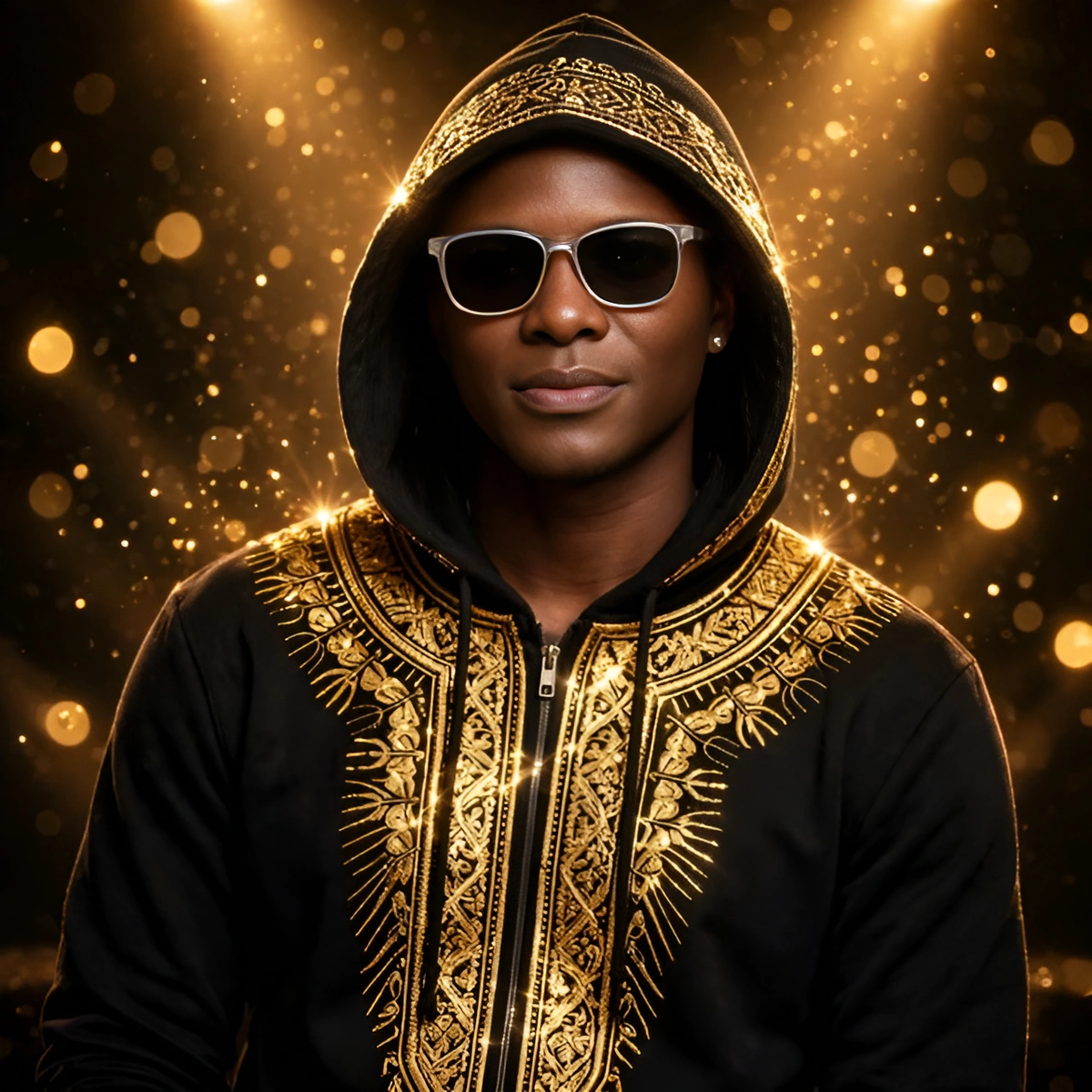
- Delta Kilo: Delta Kilo is a producer from the Mississippi Delta. He heavily samples from the archives of Chess Records and Sun Records. His acclaimed album, Digital Mojo, shows his deep skill with lo-fi sounds. He carefully layers dusty piano loops and harmonica riffs over raw, unique beats. These beats bring to mind both the old past and new modernity.
- Aria ‘The Siren’ Jones: Aria ‘The Siren’ Jones is a classically trained singer and guitarist. She has a raw, powerful voice, much like legends such as Bessie Smith and Sister Rosetta Tharpe. She works with various electronic producers. Her acclaimed EP, Static & Steel, offers a unique sound. People often compare it to FKA twigs reimagining a blues standard.
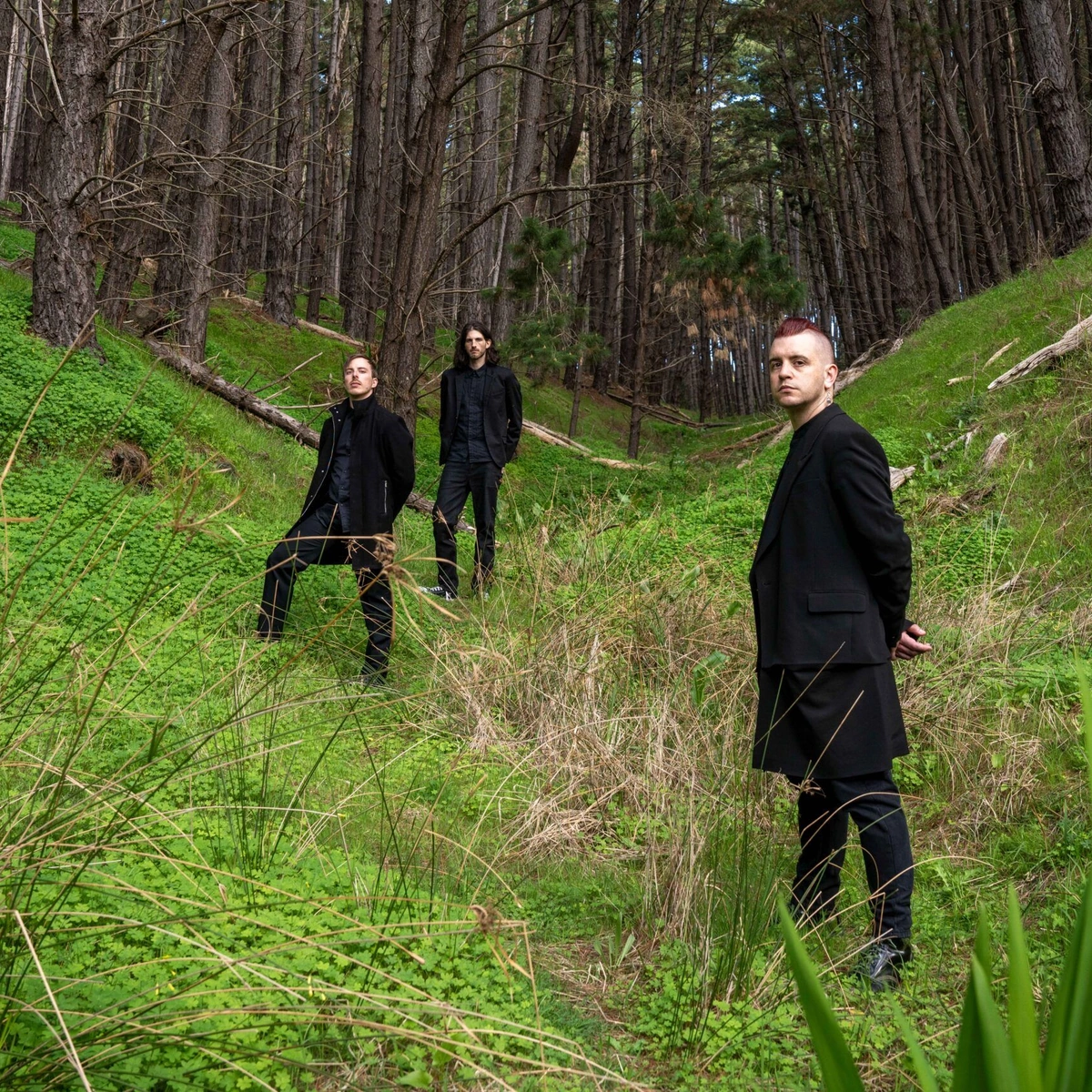
- The Bayou Futurists: This New Orleans duo includes a turntablist and a versatile multi-instrumentalist. The multi-instrumentalist moves easily between slide guitar, accordion, and synth bass. Together, they create an exciting mix of blues, bounce music, and industrial noise. Their viral track, “Crawfish & Code”, quickly became popular on TikTok. It clearly showed the genre’s unexpected dance-floor appeal.
- Twelve Bar B.B.: Twelve Bar B.B. is a producer from Chicago’s south side. He focuses on instrumental music, building complex soundscapes that recall a neo-noir film soundtrack. He carefully reworks traditional blues chord progressions. He uses modern synthesizer sounds and rich sampled textures. This creates a powerful cinematic experience that respectfully honors Chicago’s famous blues history.
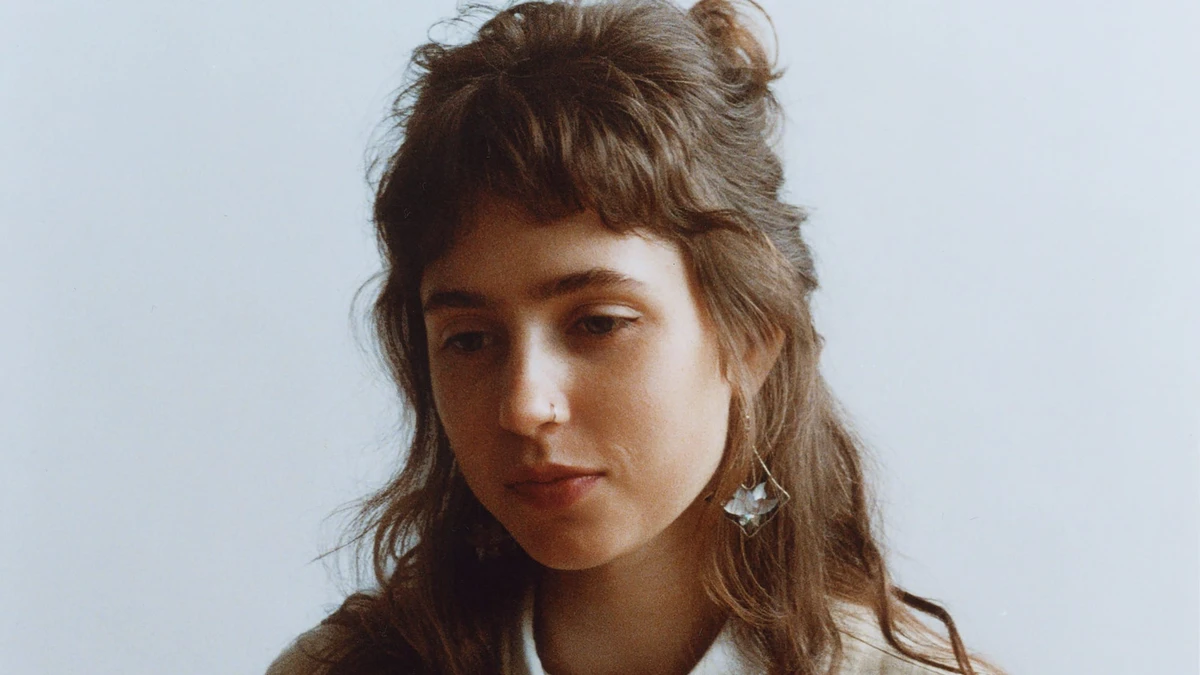
- Clara Mae: Clara Mae is a singer-songwriter from Nashville. She skillfully blends touching folk stories with subtle beats and soulful blues guitar licks. Her style is notably subtle. She uses electronic elements to create atmosphere and build dramatic tension. This lets her powerful stories of modern struggle and strength stand out.
Technology as the New Crossroads
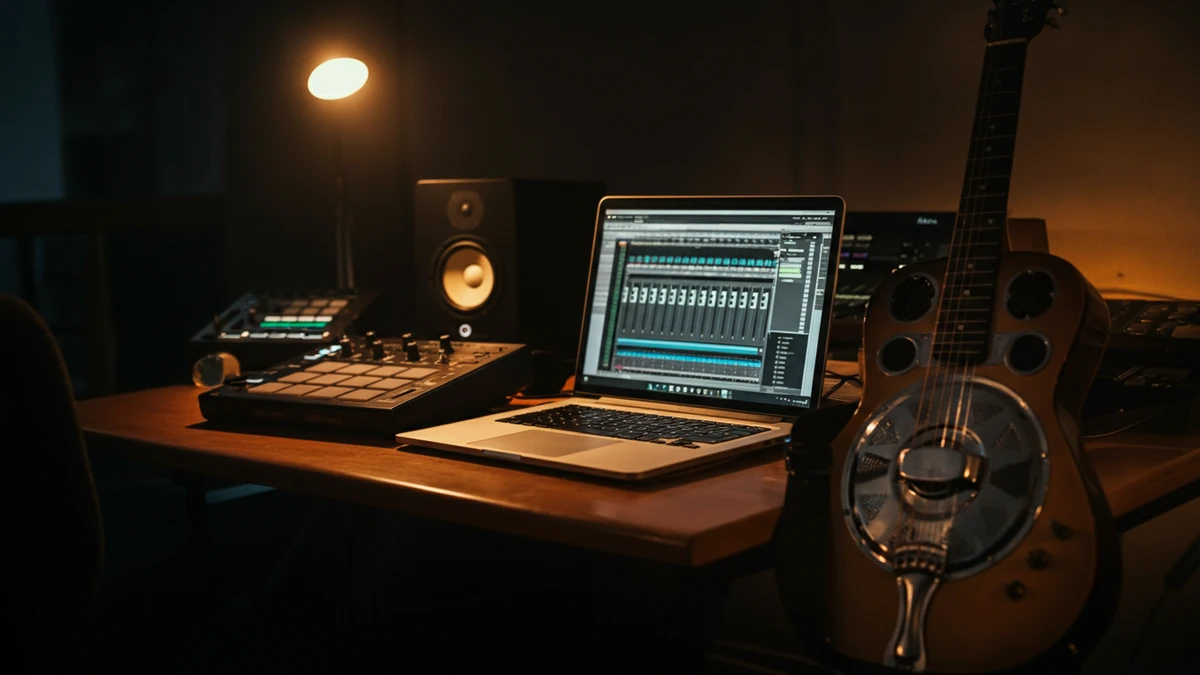
The rise of beatmakers in blues is directly tied to how accessible modern music production technology has become. What once needed a full studio, a band, and an audio engineer can now be done with just a laptop. This tech change lets many creators try new sound experiments. Producers skillfully use techniques like side-chain compression. They can sync a kick drum’s beat with a harmonica’s breath. Or they can send a slide guitar through a granular synthesizer. This creates completely new soundscapes.
Importantly, this new movement doesn’t aim to replace traditional musicianship. Instead, it greatly enhances it. Many of the artists are highly skilled instrumentalists. They see technology simply as another tool in their creative kit. Platforms like Bandcamp, known for supporting artists, are vital hubs. So are dedicated Reddit communities like r/BluesHop. These help artists build fan bases and share production methods without major labels. Historically, the blues always showed innovation, even with its built-in rules. Now, many of those limits are gone. This means a real burst of creative innovation is happening.
The Future of the Blues Is Now
You might wonder if this is the definite future of the blues. But it’s probably better to call it just one possible path for the genre. The blues has always been a lively, changing tradition. It shows a natural ability to adapt and transform with social changes. So, the creative efforts of these beatmakers in blues don’t lessen the form’s natural strength. Instead, their work creates a dynamic conversation. It explores how the blues sounds in our digital age, against a backdrop of social evolution, and with endless creative options.
By 2026, this genre-bending fusion could move beyond a small experiment. It might become a widely recognized and key part of independent music. This change would clearly confirm the lasting power of a basic three-chord progression and a strong story. It would show that how the music is delivered doesn’t truly matter. The music’s core soul would stay the same. Only the instruments used would change. So, the metaphorical crossroads could become a literal motherboard. This would allow the music’s essence to be downloaded, sampled, and looped easily for a new century.
Blending foundational music genres with modern production is a wider trend. Similar fusions are actively shaping many artistic careers. A great example of this is the rise of breakout artist Jelly Roll, a notable country-rap star.
Explore the Future of Music Creation
Are you inspired by today’s genre-bending artists? Do you want to create your own unique sound and build a successful music career? Then we encourage you to visit MW3.biz. There, you’ll find a wide range of tools and valuable insights. These are designed to help independent creators reach their professional goals. Start building your musical future today.