The Rise of afro music small-venue tours in 2026
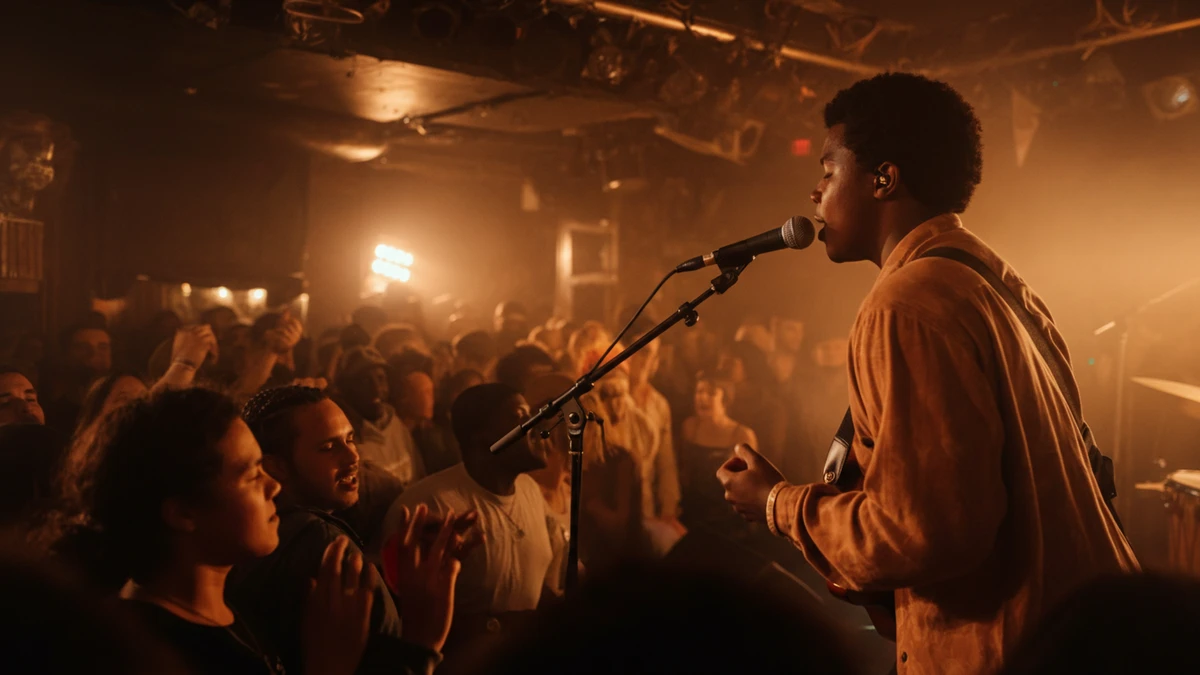
From Stadiums to Sweat: The New Wave of Live Afro Music
The global ascent of African music is no longer a breaking story; it’s an established fact of the modern music industry. We’ve witnessed giants like Burna Boy and Wizkid sell out stadiums from London to Los Angeles, turning Afrobeats into a worldwide phenomenon. Their success has paved the way for a new generation of stars like Tems and Asake to dominate charts and headline major festivals. But as the spectacle grows ever larger, a powerful counter-current is emerging, one that points toward a more intimate and sustainable future: the rise of afro music small-venue tours.
While the allure of a stadium show is undeniable, a growing number of artists, promoters, and fans are rediscovering the unique power of the small club, the packed theater, and the sweaty dance floor. This isn’t a regression; it’s a strategic evolution. By 2026, this trend is poised to become a defining feature of the live music ecosystem, offering a vital alternative to the high-stakes, high-cost world of arena touring. It’s a movement that prioritizes deep fan connection, allows for artistic experimentation, and builds careers for the long haul.
The Intimacy Advantage: Why Smaller is Becoming Smarter
For artists who have graced the main stages of Coachella or Glastonbury Festival, the decision to play a 500-capacity room might seem counterintuitive. Yet, the logic is sound. Megastars return to these settings to reconnect with their core fanbase in a raw, unfiltered environment. For rising artists, it’s the primary battlefield where loyal followers are won, one electrifying performance at a time. An artist like Tems, known for her deeply personal and atmospheric sound, creates a different kind of magic in a theater than in a festival field. The same goes for the intricate wordplay of a lyricist or the subtle grooves of a producer-artist.
This shift allows artists to build a narrative. Playing an intimate tour creates scarcity and buzz, often leading to immediate sell-outs and intense social media chatter. It’s a strategy that values the quality of fan interaction over sheer quantity. The experience of seeing an artist like Rema just feet away, feeling the bass reverberate through the floor, creates a lifelong memory and a fan evangelist in a way that watching a figure on a distant screen cannot. This model turns a concert from a passive viewing experience into an active, communal one.
The Amapiano Effect: A Genre Built for the Club
No discussion about the future of afro music small-venue tours is complete without focusing on Amapiano. The South African house music subgenre, with its signature log drums and jazzy flourishes, is a grassroots phenomenon that exploded globally, largely thanks to platforms like TikTok. Unlike the pop-chart ambitions of mainstream Afrobeats, Amapiano was born in clubs and thrives in dance-focused environments.
Artists and DJs like Uncle Waffles, who became a global icon through viral videos of her dynamic live sets, perfectly embody this trend. Her performances are not just about playing tracks; they are about curating an energy and a continuous flow that is best experienced in a packed, responsive room. The success of tracks like “Tshwala Bam” isn’t just measured in streams but in its ability to ignite a dance floor. Promoters are recognizing that the authentic way to present Amapiano to a new market is not in a seated arena, but in a venue where people can move. This has led to a surge in curated club nights and small-venue tours dedicated to the genre, from Berlin to New York, often hosted in iconic intimate venues like London’s The Jazz Cafe.
The Economics of Downsizing
The move toward smaller venues is also a savvy business decision. The financial risk of a 15,000-seat arena tour is colossal. Production, marketing, and crew costs can run into the millions, requiring immense ticket sales just to break even. A miss can be financially devastating for an artist. In contrast, a tour of 500-2,000 capacity venues offers a more manageable and often more profitable model.
According to industry analysis often featured in publications like Billboard and Pollstar, the math is compelling. With lower overhead, tickets can be priced accessibly while still generating strong revenue. A sold-out run of small shows can build momentum and prove demand for larger venues on the next cycle. This strategy, known as “underplaying,” is a classic tool used to build hype. Major promoters like Live Nation and AEG Presents are increasingly building out divisions focused on developing artists through this very model, recognizing it as a crucial incubator for the arena headliners of tomorrow. It allows them to test an artist’s pull in secondary markets without committing to a full-scale arena marketing budget.
Building a Sustainable Career, One Show at a Time
For the vast majority of artists, a sustainable career isn’t built on one stadium tour but on a decade of consistent work. The small-venue circuit is the backbone of this longevity. It’s where artists from the rosters of forward-thinking labels and distributors like EMPIRE and Platoon, which have been instrumental in breaking African artists globally, can connect with audiences directly and build a touring business step-by-step.
This approach fosters a resilient and adaptable artist. It teaches them how to command a room, how to perform with minimal production, and how to build a real community around their music. For an emerging artist, selling out a venue like The Echo in Los Angeles is a monumental, career-affirming achievement. It provides the financial and emotional fuel to continue creating. As we look toward 2026, the health of the live music industry will depend not only on its biggest stars but on the vibrancy of this foundational level. The continued growth of afro music small-venue tours is a powerful sign that the industry is building a more sustainable and exciting future for its next generation of global stars.
This grassroots explosion is reminiscent of how other electronic genres, such as the intricate deep house map of moods, also build dedicated followings from the ground up.
Ready to Build Your Own Music Career?
The trends shaping the music industry, from global genres to innovative touring strategies, create new opportunities for independent artists every day. Building a career requires not just talent, but the right tools to manage your music, reach your audience, and understand your business. At MW3.biz, we’re building the technology to empower creators at every stage of their journey. Discover how you can take control of your music career today.