Behind the Universe: Kamila Csenge on Two Guitars and a Prague-Berlin Band
The Czech Jazz Guitarist on Composing at Night, Trading Solos and Recording in Two Countries
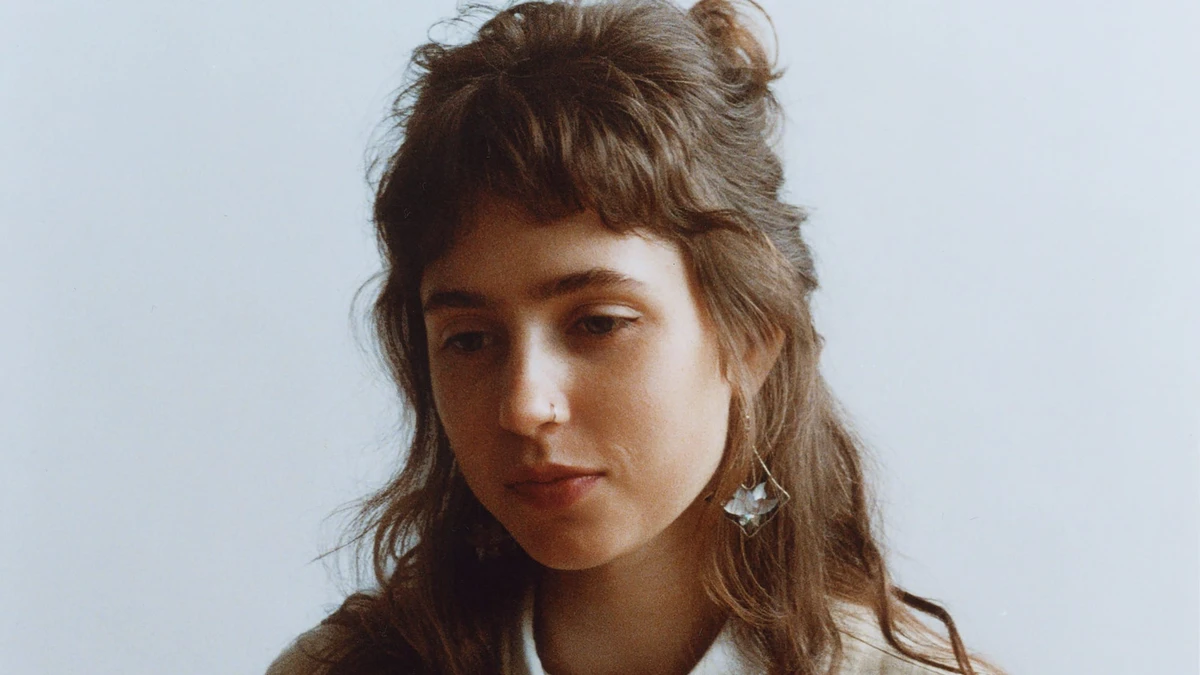
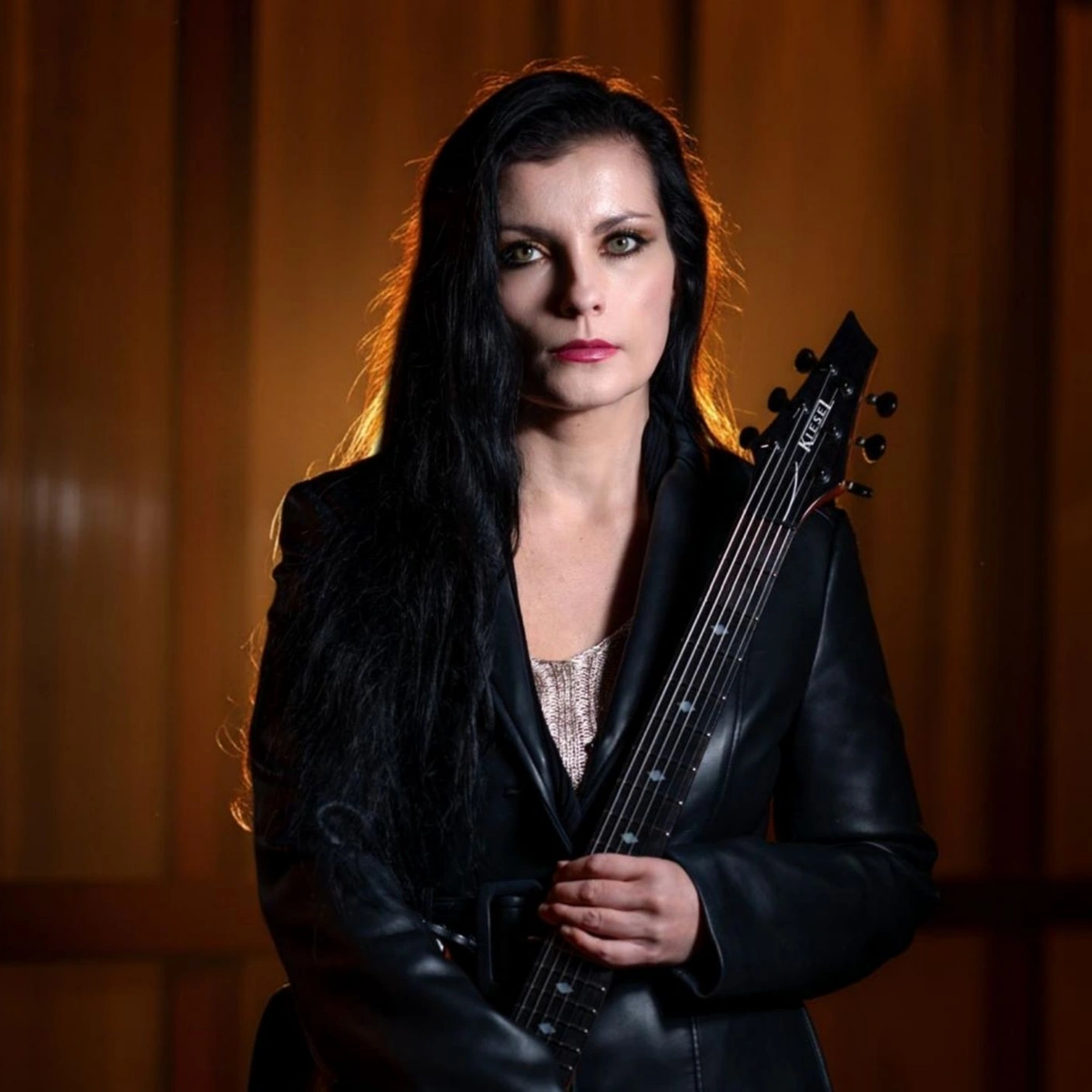
Czech guitarist and composer Kamila Csenge has moved between musical worlds her whole career, from the Jaroslav Ježek Conservatory in Prague to a summa cum laude degree and the John LaPorta Award at Berklee. Her debut album, Behind the Universe, out since 22 May 2026 via Fat Banshee Records and Random Noize Musick, gathers two guitars, bass and drums across seven tracks. We caught up with her about the record, her writing, and the Czech-German band behind it.
You can listen to our full playlist which contains the artist’s music, and know more about the artist’s work by scrolling down the page.

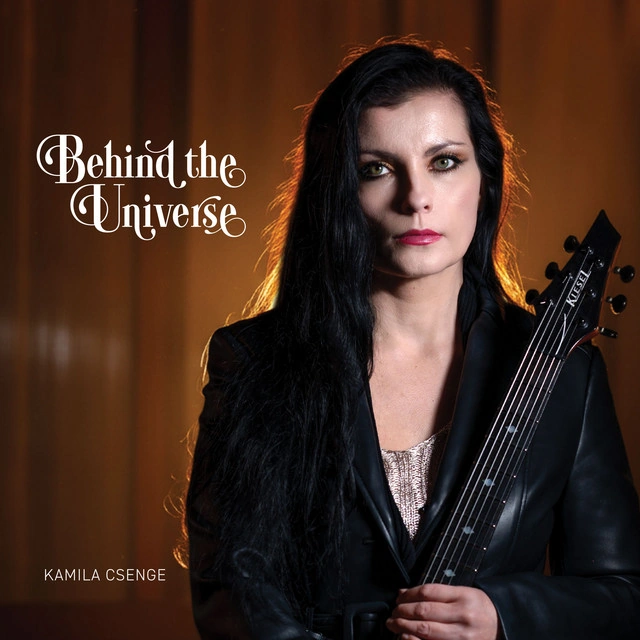
Since its release on 22 May 2026, Behind the Universe has been picked up across the independent jazz press, with album features at Music Arena Gh and Plastic Magazine, plus single write-ups at Mesmerized and tunesaround. We sat down with Csenge to hear how the record came together.
IndieMusic.News on Behind the Universe: “A debut that earns its scope through craft rather than volume. The two-guitar interplay Csenge shares with Yamirah Gercke, and a sequence recorded across Berlin and the Czech Republic, give the record a shape you can follow from The Void to The Point of No Return.”
Making Behind the Universe
Behind the Universe is your debut album, and you have called it the most significant original project of your career so far. What makes this record such a milestone for you?
Reaching this milestone is deeply meaningful to me because it represents the culmination of many years of work, growth, and artistic exploration. It is the realization of a long-held dream and a project that allowed me to fully express my musical voice through original compositions and collaboration with outstanding musicians.
The Concept and the Sequence
The title and concept reach for something vast, an exploration of what lies beyond the visible, beyond the known, and beyond the limits of fear and pain. Where did that idea, and the title Behind the Universe, come from?
The concept grew out of my own experiences of change, uncertainty, and personal growth. At different moments in my life, I found myself stepping into unfamiliar situations that required courage and trust in the unknown. The title Behind the Universe reflects the idea that there is always something beyond what we can immediately see or understand, both in the world around us and within ourselves. For me, it is ultimately about exploration, hope, and the possibility of discovering new perspectives.
The seven tracks move from The Void through Against the Wall and The Metamorphosis to The Point of No Return. Is there a narrative running through the album, and how did you sequence it?
I would not describe the album as a strict narrative with a beginning, middle, and end. Rather, it is a collection of individual compositions that come together under the broader concept of Behind the Universe. Each piece represents a different idea, emotion, or stage of personal and artistic exploration, and each has its own identity and place within the album.
While the sequence was carefully considered, the pieces could exist in a different order and still retain their meaning. What connects them is not a linear story, but a shared spirit of curiosity, transformation, and looking beyond what is immediately visible or known.

The Compositions
As a composer as much as a player, Csenge writes in a harmonically rich jazz idiom that listeners may trace to Pat Metheny, Chick Corea, and Billy Childs. Here she explains how a piece takes shape, and how consciously she crosses between styles.
Your writing is full of rich harmonies and odd, shifting meters. How does a piece usually begin for you, at the guitar, with a harmonic idea, or with a feeling you are chasing?
Most often, a composition begins with a small musical idea, sometimes a melody, sometimes a harmonic progression, rhythm, or simply a particular mood. It depends on the composition and the inspiration. Sometimes I hear a melodic line first and then combine it with harmony, while at other times I begin with a harmonic idea and gradually add the melody. I usually work with the guitar in my hands, but I also record ideas into Cubase and develop them further later. There is no fixed formula; each piece tends to find its own way. I enjoy composing most at night, when everything is quiet and I can fully focus on the music. For example, Against the Wall started from the feeling of facing obstacles and searching for a way through them, and the musical material gradually grew from that idea.
Crossing Styles and Influences
Across the record critics have heard everything from the frenetic, avant-garde fusion of Against the Wall to the progressive-rock peak of Music Forever and the neo-soul lean of The Metamorphosis. How conscious are you of moving between those languages?
I think of them as different influences that naturally become part of my own musical language. I have listened to and studied many styles of music throughout my life, and I do not feel the need to place strict boundaries between them. If a particular musical element serves the composition and helps express the idea behind it, I am happy to use it. Ultimately, I hope that all these influences come together as a personal voice rather than a collection of separate styles.
Emotion Without Lyrics
These are big, even philosophical themes, fear, pain, the search for what lies beyond, and yet there are no lyrics. How do you tell those stories, and carry that much emotion, through instrumental music alone?
I think one of the beautiful things about instrumental music is that it allows every listener to create their own story and emotional connection. Without lyrics, the music can be more open to interpretation while still communicating feelings through melody, harmony, rhythm, dynamics, and interaction between the musicians. When I compose, I try to express emotions and ideas through the music itself rather than describe them with words.
One moment where I feel this works particularly well is The Point of No Return. For me, it captures the feeling of stepping into the unknown, accepting change, and moving forward despite uncertainty. At the same time, another listener may hear something completely different, and I think that freedom is one of the greatest strengths of instrumental music.
Pat Metheny, Chick Corea and Billy Childs are often named as touchstones for your music. What did you take from them, and where do you go your own way?
I think what is most personal in my music is the combination of all the different experiences and influences that have shaped me over the years. My background includes classical guitar, jazz, rock, Latin music, and many other styles, and I try to bring these influences together in a way that feels natural rather than belonging to a single genre. Ultimately, my goal is not to sound like any particular artist, but to develop an authentic musical voice that reflects my own experiences, emotions, and perspective.
The Hardest Track to Write
Is there a track on Behind the Universe that was the hardest to write, or that means the most to you, and why?
It is difficult for me to choose one track because each composition is special to me in a different way and represents a different idea or emotion. If I had to choose the most challenging piece, it would probably be The Point of No Return. It was demanding not only to write, but also to play and rehearse with the band.
The piece is performed at a very fast tempo and combines changing time signatures with complex harmonic movement underneath the melody. In some sections, there are many chord changes within a single bar at around 220 BPM, which requires a high level of concentration and interaction from all the musicians. At the same time, despite its technical challenges, I wanted the music to feel natural and expressive rather than simply complex for its own sake.

The Czech-German Collaboration
Behind the Universe is a Czech-German collaboration, bringing together musicians from Prague and Berlin. Who plays on the record, and how did the band come together?
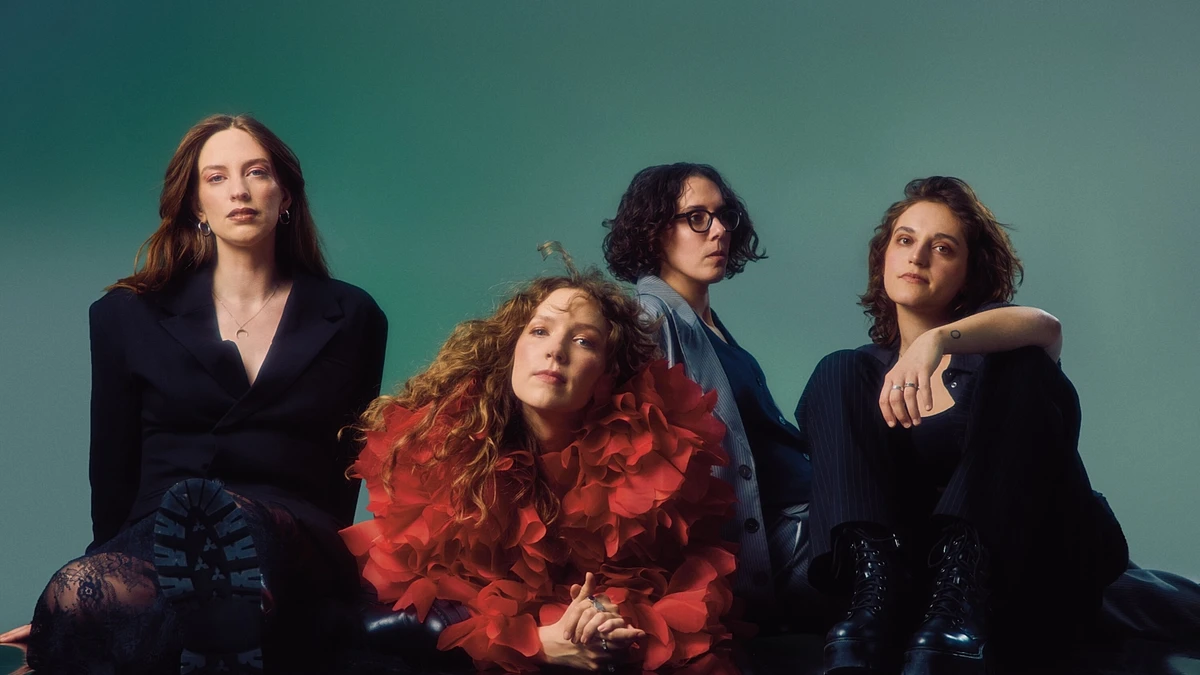
I am based in the Czech Republic, as are Ivo Hermanovský and Kateřina Vacková, while Yamirah Gercke is based in Berlin. Yamirah and I met while studying at Berklee College of Music in Boston, and Ivo was my classmate at the Jaroslav Ježek Conservatory in Prague and has been a close friend for many years. When I returned from Boston to the Czech Republic and decided to form a band for my original music, Yamirah and Ivo were my first choices. We then started looking for a bass player, and through a mutual contact I was introduced to Kateřina. From that point, the group gradually came together and eventually became the band that recorded Behind the Universe.
The Two-Guitar Front Line
Two guitars, bass and drums is a distinctive line-up for this music. What does the second guitar, your interplay with Yamirah Gercke, let you do that a single guitar could not?
In the compositions, I play the lead melody while Yamirah plays the harmonic part, which is just as important as the melody itself. The rhythm guitar parts are written, but Yamirah also has the freedom to adapt and shape them in her own way. This gives the music both structure and flexibility.
A good example is This World. I play the opening section, then Yamirah takes over. Later, I play the melody while she provides the harmonic foundation and helps maintain the rhythmic flow of the piece. We also trade solos, creating a musical dialogue throughout the composition. In the ending, Yamirah plays the final harmonic phrase, while I finish the piece with the last chord. Moments like these are only possible because of the interaction between two guitars.
Two Cities, Two Studios
What was it like working across two cities and two scenes, Prague and Berlin? Did that cross-border process shape the final sound?
The practical side was definitely challenging because we were based in different cities. Most of the rehearsals took place as a trio in the Czech Republic, and then either Yamirah travelled to Prague for rehearsals or we travelled to Berlin to work together. It required a lot of planning and coordination, but everyone was committed to the project, which made it possible.
The recording process was also split between the two countries. The Void, Against the Wall, and Guardians of the Garden were recorded at Popschutz Studio in Berlin, while Music Forever, This World, The Metamorphosis, and The Point of No Return were recorded at SONO Records in the Czech Republic. I think the experience of working between Prague and Berlin became a natural part of the project and reflects the Czech-German collaboration at the heart of the album.
From the Conservatory to the Stage
Your path runs from the Jaroslav Ježek Conservatory in Prague to Berklee in Boston, where you graduated summa cum laude, made the Dean’s List every semester and won the John LaPorta Award. How did that path shape the composer behind this album?
The Jaroslav Ježek Conservatory gave me a broad musical foundation and introduced me to many different styles of music. It also helped me develop discipline and curiosity as a musician. Berklee expanded my musical horizons even further by exposing me to talented musicians from all over the world and encouraging me to think more deeply about composition, improvisation, and artistic identity. Both experiences continue to influence my work today. They taught me not only musical skills, but also the importance of keeping an open mind, taking creative risks, and constantly searching for my own voice as an artist.
Releasing a Record of Her Own
You have performed across New York, Boston, Berlin and the Czech Republic. After all those years on stage, what does it feel like to finally release a record that is fully your own?
It feels both exciting and rewarding. As a performer, you are often interpreting music or contributing to someone else’s vision, but releasing an album of original compositions is a different experience. It means sharing a very personal part of yourself with listeners and allowing them to enter your musical world. At the same time, it is a bit vulnerable because these compositions reflect my own ideas, emotions, and artistic voice. That is what makes the release of Behind the Universe so special to me.
Women in Instrumental Jazz
Instrumental jazz guitar is still a field where women are under-represented, and your album is being introduced as the work of an award-winning female jazz guitarist. Has that shaped your path, and is there anything you would want to say to young women picking up the instrument?
Emily Remler was an important inspiration for me as a jazz guitarist, and I also greatly admire Terri Lyne Carrington for her artistry, creativity, and contributions to jazz. Seeing women succeed at the highest level of the music world was certainly encouraging.
At the same time, I have always thought of myself primarily as a musician rather than as a female musician. For me, the most important thing is to express myself honestly through music, regardless of whether you are a woman or a man. I feel that music found me, and my responsibility is simply to follow my own artistic voice. If I could say one thing to young musicians, it would be to stay curious, work hard, and trust their own creative instincts.
Where to Hear Behind the Universe
Where can readers hear Behind the Universe, and what is next for you and the band?
Readers can watch the video single Against the Wall and follow the project through my website and social media channels. We are currently planning more concerts to support the album, and I am already working on new original compositions for future projects. The best places to stay updated are my website, Facebook, Instagram, TikTok, and YouTube.
Follow Kamila Csenge across platforms: Spotify, Apple Music, YouTube, Facebook, Instagram, and TikTok, or visit her official website.
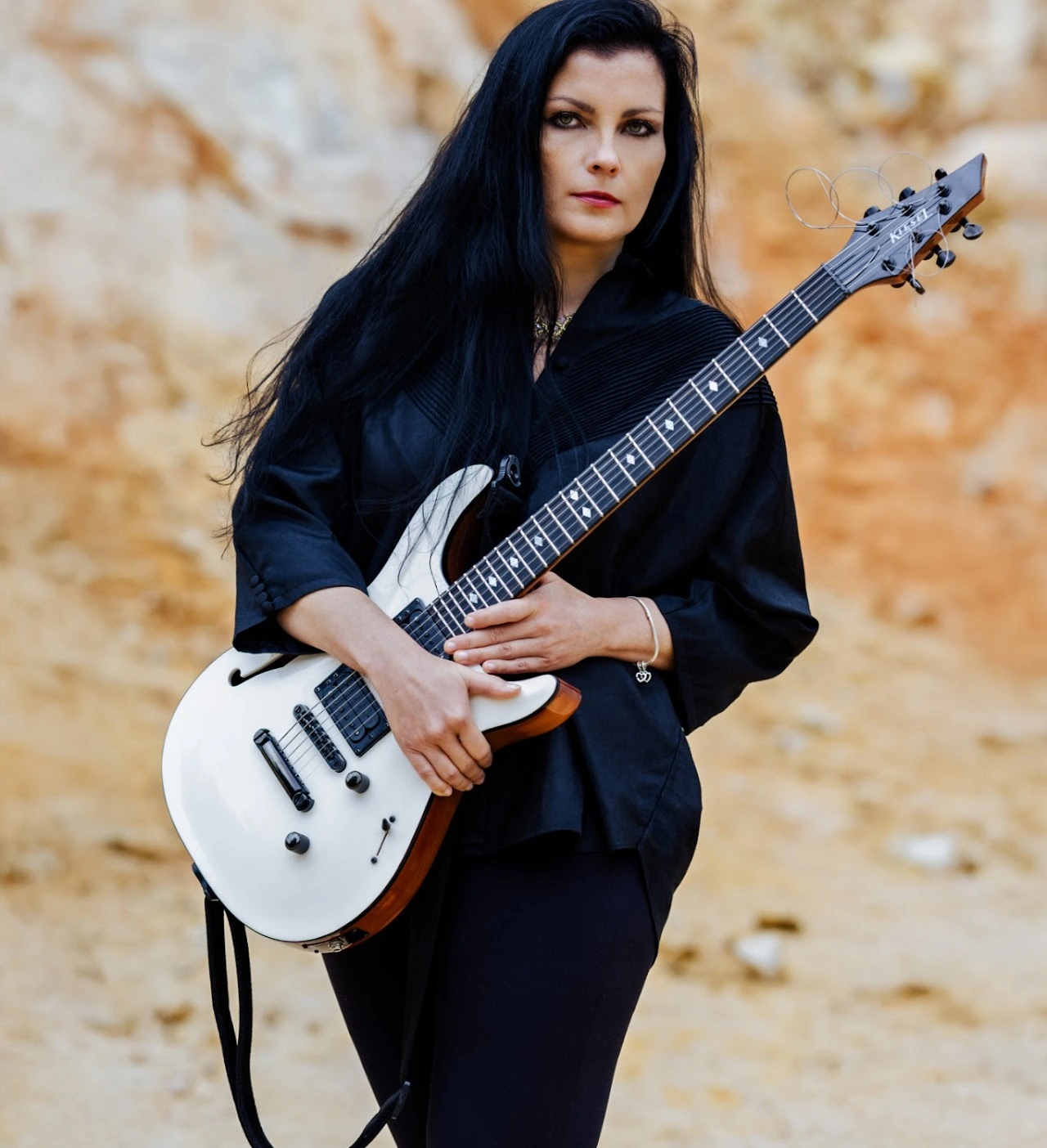
Photography by Eva Puella.