The Cardboard Falcon Gives Mico Nonet’s Five Players an Equal Writing Credit on All Fourteen Pieces
An Ambient Chamber Record From Four Orchestral Principals and a Synth Player From Indie Rock
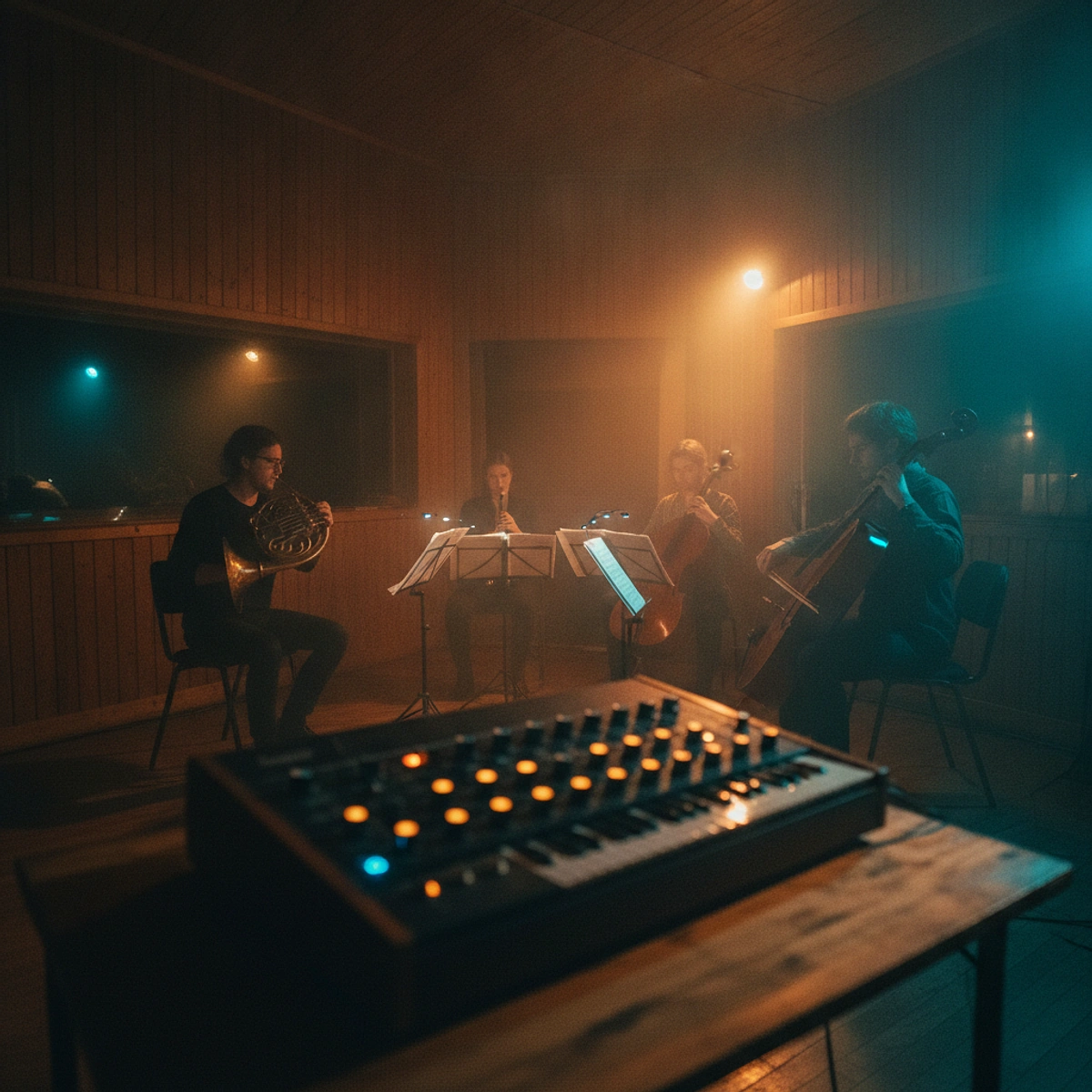
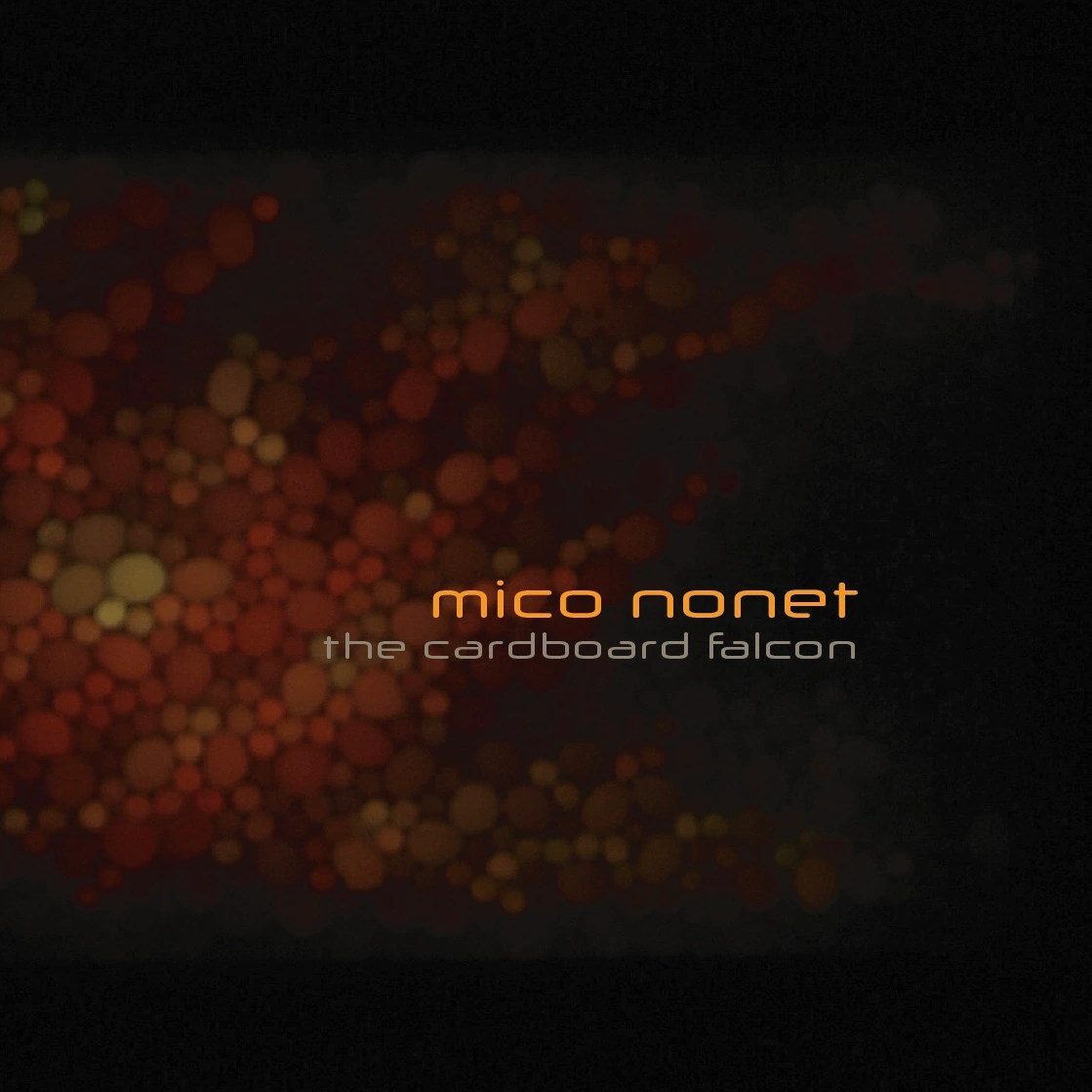
The Cardboard Falcon came out on 7 May 2026 through Ninevolt Labs, and its credits tell the story first. All fourteen pieces list the same five composers. That is Mico Nonet, an ambient chamber group in which four players from the principal chairs of major orchestras write alongside a synth player from indie rock.
Mico Nonet’s title track is in the playlist below. The group’s full run of coverage sits on the Mico Nonet profile. The Cardboard Falcon reached this desk through PopHits.Co Music Charts, which verifies independent artists and places their releases across its network of music news sites. Press play on the title track, then read on for who brought what.

Plenty of bands split the writing song by song, or leave it to one or two members. Mico Nonet, however, does neither. The split is level on every cut, and Joshua Lee Kramer is also credited as studio producer on all of them.
That evenness is the first thing to know about the record, because it explains why the album carries one group name rather than a soloist’s name with guests.

What Each of the Five Brought to The Cardboard Falcon From Symphony Stages and an Indie Rock Band
Katherine Needleman is the longest thread in the line-up. She has held the principal oboe chair at the Baltimore Symphony Orchestra since 2003, and she was a founding member of Mico Nonet. Carrie Dennis, meanwhile, brings viola from the top of two famous sections. She was principal viola of the Berlin Philharmonic from 2006 and of the Los Angeles Philharmonic from 2008.
David Cooper plays horn as principal of the New York Philharmonic. Efe Baltacigil sits in the principal cello chair of the Seattle Symphony. So between them, the four orchestral players cover a reed, a brass line and two kinds of strings.
Joshua Lee Kramer comes from the other side of the room. On this record Kramer plays synth and is both a composer and the studio producer. The group’s videos are Kramer’s work too, including a clip for casimir in July and one for snowglobe reef in September.

Philadelphia and New York Run Through the Line-Up
First, Philadelphia runs through the group. Needleman and Dennis both trained at the Curtis Institute of Music there, Needleman on oboe and Dennis first as a violin student. Needleman has also taught oboe at Curtis since 2022. Dennis also spent four years as assistant principal viola of the Philadelphia Orchestra before moving to Berlin. Kramer was in the first line-up of Matt Pond PA, the band Matt Pond formed in the city in 1998.
There is also a New York link. Needleman has played as guest principal oboe with the New York Philharmonic, the orchestra where Cooper now holds the principal horn chair.
On paper the line-up is lopsided: four chairs from the concert hall and one from the club stage. Still, Kramer holds the two sides together in the studio, with a composer credit on every piece and the producer credit on top.
The Cardboard Falcon Turns Five Equal Credits Into One Ambient Chamber Record of 46 Minutes
The finished album runs 45 minutes and 54 seconds across fourteen pieces. It opens with casimir and closes with pixelated lightbox. The title track is the longest, at five minutes and 26 seconds, and it sits fifth in the running order.
Two reference points help place it. yMusic, for example, the New York chamber sextet formed in 2008, showed how far classically trained players could take a group record outside the concert hall, all the way to Paul Simon’s In the Blue Light in 2018. Similarly, Kiasmos, the duo of Ólafur Arnalds and Janus Rasmussen, has built its records since 2014 on a modern-classical composer working hand in hand with an electronic producer. The Cardboard Falcon stages that same meeting, only with four orchestral principals on one side of it.
The feel is spacious, chamber colour alongside electronic tone. Listeners who move between ambient, electronic and classical music are therefore the obvious audience. So is anyone curious about what orchestral players make when the conductor leaves the room.
Start with casimir, which also has its own video, then give the title track its five minutes. The album is on streaming services and on vinyl.
IndieMusic.News’s curator team: “Orchestral players rarely get to make a record entirely on their own terms. Four of them did here, with a synth player producing, and the album sits comfortably beside the ambient records we return to most.”
Follow Mico Nonet on Spotify, Apple Music, Instagram, Facebook, TikTok and the band’s YouTube channel.