Threat.Meet.Protocol Made A Punk Album with No Guitars on It
The Tauranga Trio Spent Thirteen Years Building to This Self-Titled Record
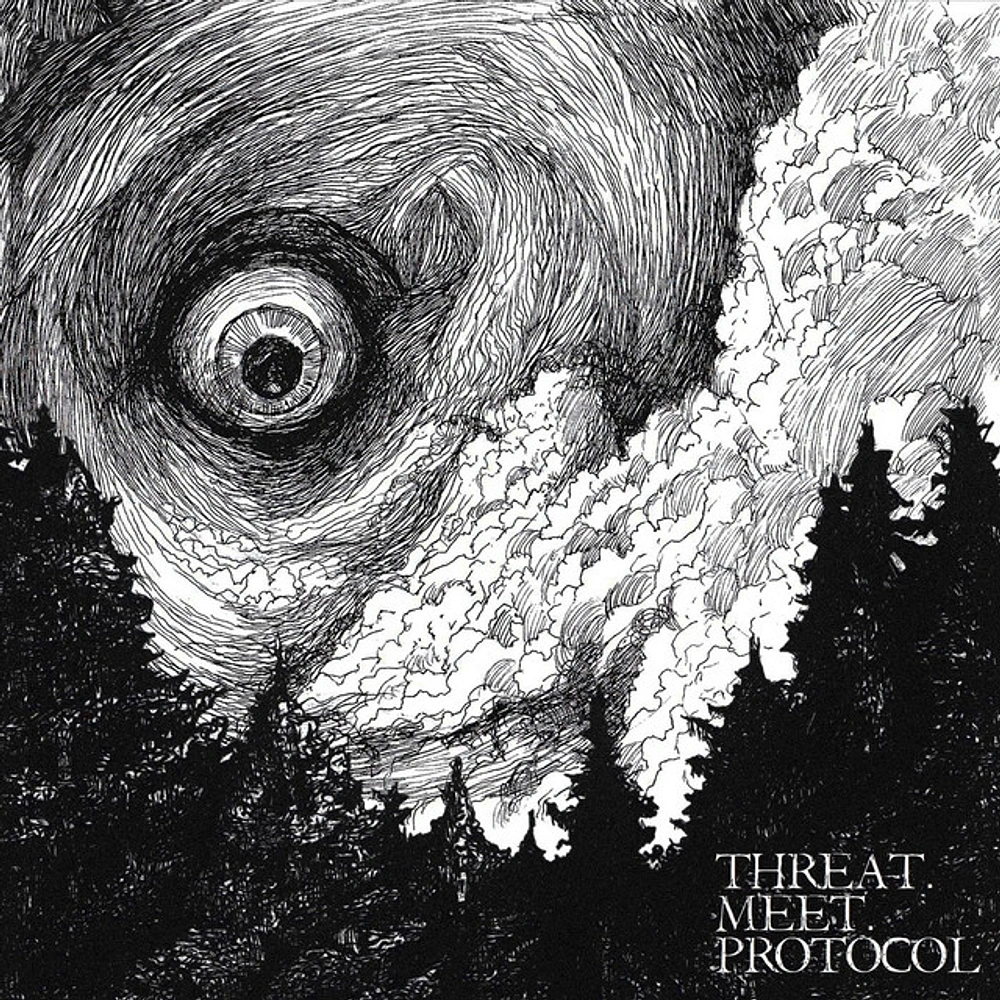
Threat.Meet.Protocol released their self-titled album in March 2025, and the New Zealand trio is putting the record back in front of listeners. It runs ten tracks of post-punk and punk rock played on bass, drums and keyboards. There is no guitar anywhere on it. That is the first thing most people notice, and it is why the album sounds like nothing else in the genre.
Threat.Meet.Protocol appear in the playlist below, and the record of this network’s coverage sits on their artist profile. ThreatMeetProtocol reached this desk through PopHits.Co Music Charts, a programme that verifies independent artists and places their releases across its network of music news desks. Put it on, then read further.

What Threat.Meet.Protocol Put In The Space Where A Guitar Should Be
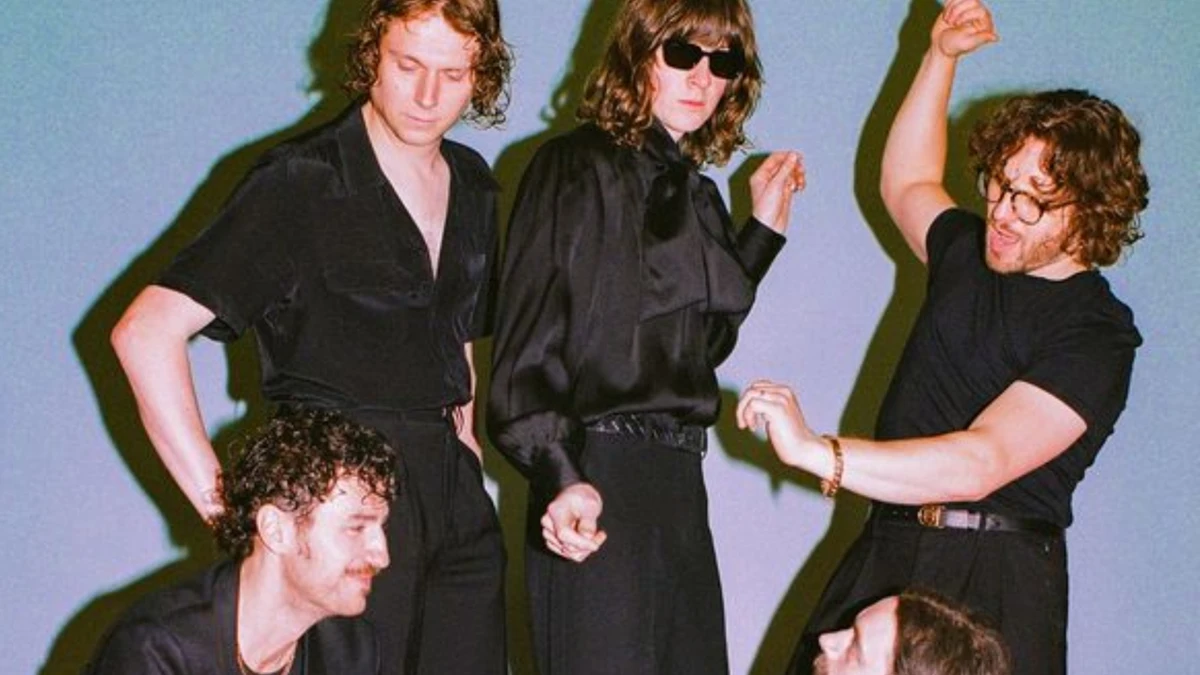
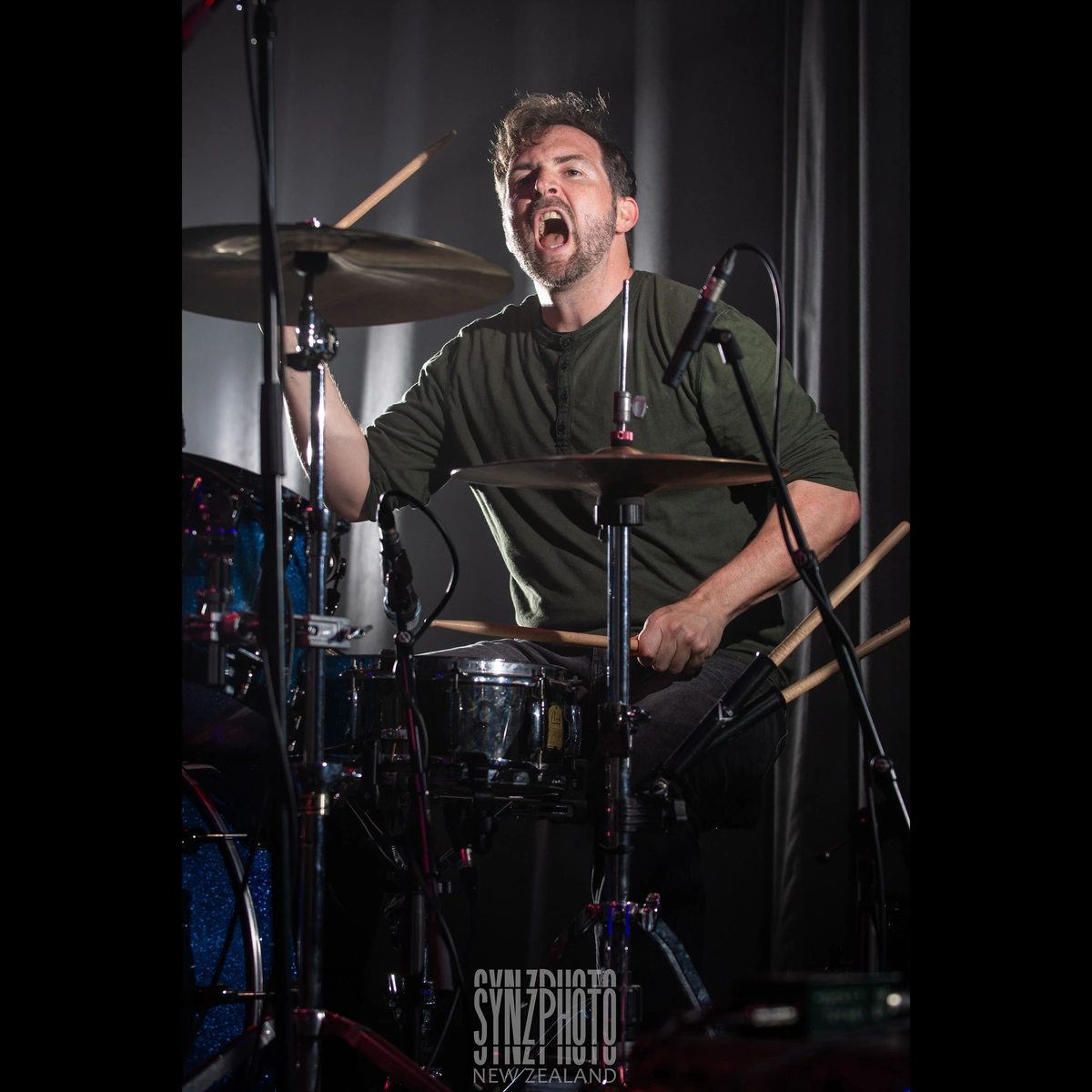
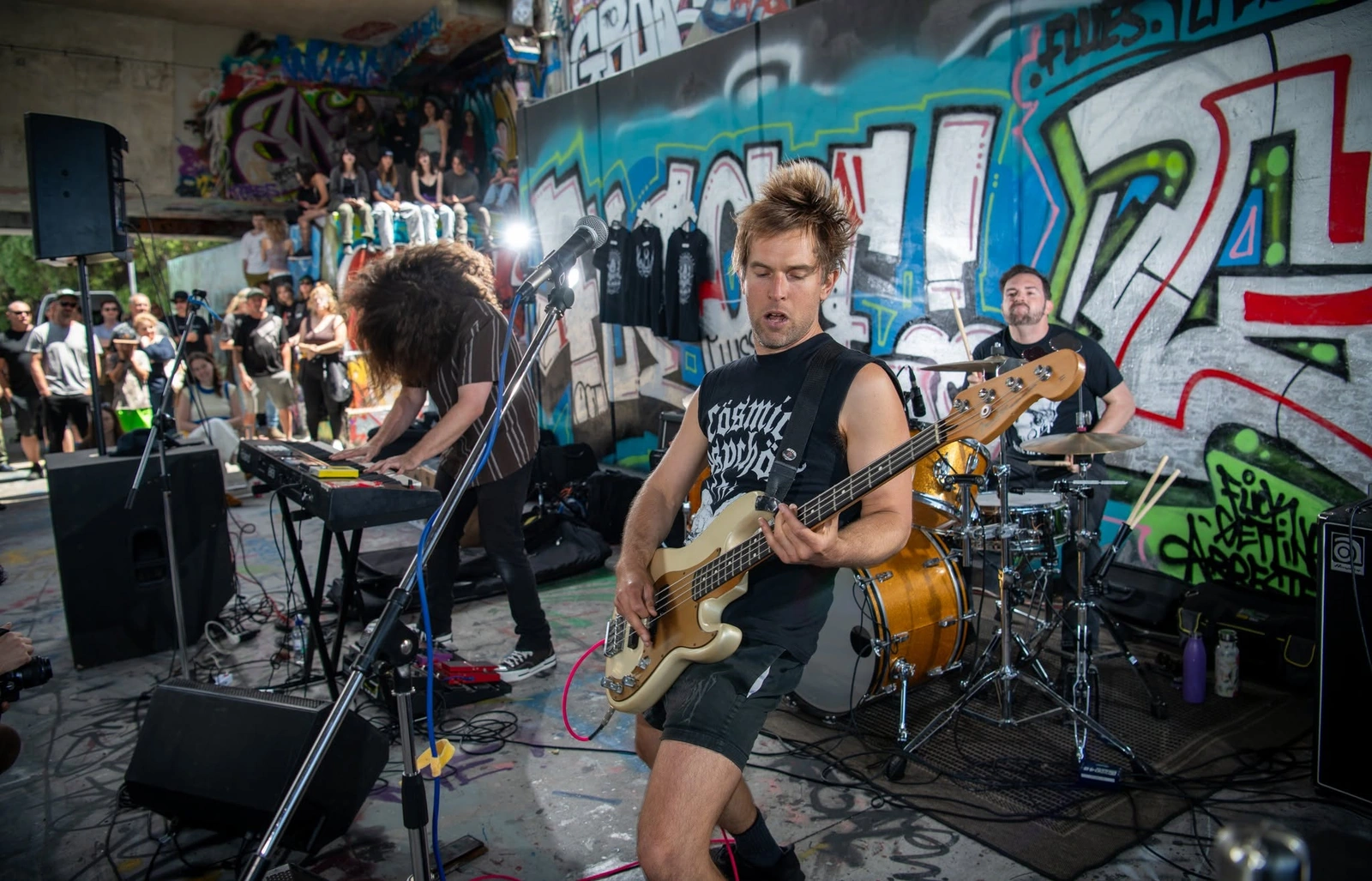
The line-up is bass, drums and keys. Austin Cunningham plays bass and sings, Evan Pope drums and also engineered and produced the record, and Luke Turner handles keyboards. That instrumentation is not a gimmick. It is the whole architecture.
With no guitar filling the mid-range, the bass has to carry both the riff and the weight, and the keyboards take the space a lead guitar would normally occupy. Turner does not play them like keyboards either. Threat.Meet.Protocol describe his approach as an electric guitar, a synth and a theremin rolled into one, and their own shorthand for the results is Danny Elfman on crack. That is a fair warning. The keyboard parts are the most abrasive element on several tracks, which is not how the instrument usually behaves in punk.
The tracklist splits accordingly. Class Wars, Funeral March and Fall of Humanity sit at the fast, heavy end. Time and 204 are slower and stranger, and they are where the album earns its post-punk tag rather than just wearing it. Ten tracks give it room to do both without either mode feeling like a detour.

Who The Album Is For, And Why The Line-Up Matters
The audience here is specific, and the band know it. This is for people who want punk to still be capable of surprising them.
Anyone who came up on noise-punk, synth punk or the more difficult end of post-punk will find the record familiar in method and unfamiliar in sound. Anyone wanting three chords and a chorus will not.
There is a practical point in the line-up too. A band with no guitarist is cheap to move and hard to imitate, and it keeps the recorded versions close to the live ones. What you hear on the album is broadly what three people can produce in a room. That is increasingly rare in a genre that often records thicker than it plays.
Thirteen Years, A Grief Record, And The Scene Around It
The band started in 2011 in Tauranga as a bass and drums duo, built on abrasive noise and stage gimmickry. The self-titled album is what thirteen years of that turned into, and it is their third.
It is also a heavier record than the instrumentation alone suggests. The vocalist has described the writing as cathartic, because the lyrics deal with the loss of a loved one and the path a person takes through grief. That is worth knowing before pressing play. The album is loud, and the live show is frequently funny, but the words underneath are not a joke. The slower tracks are where that becomes obvious.
The shows are their own argument. By the band’s own account the sets tend to degenerate into madness, up to and including being suplexed through a table or jumping through the drum kit. Cunningham also founded the Tauranga Music Sux collective, now running as Your Enabler Presents, which has become one of the more active engines of New Zealand’s underground scene. That context matters. This is a band embedded in a local scene they helped build, not one passing through it.
Where To Follow Threat.Meet.Protocol Across Streaming And Socials
The album arrived alongside a single and video for #Cancelled, and it sits third in a catalogue that already includes Surfquake and The Witch Trials. Anyone coming to the band through this record has somewhere to go afterwards, which is not always true of an act whose reputation rests on its live shows.
Coverage followed from the specialist punk press rather than from a label campaign. Return Of Rock covered the release, Punk Head ran a question-and-answer piece with the band, and Illustrate Magazine and Thoughts Words Action both reviewed it in full. For a self-released album from a trio in provincial New Zealand, that is a genuine spread.
Listeners can hear the full album on Spotify, buy it directly on Bandcamp, and follow the band on Instagram and Facebook, with videos on their YouTube channel.