The Rising Shine Project Recorded My Dad Alone with A Guitar and A Violin

Henry Stoll’s Americana Tribute Puts A Spoken Line Where Most Songs Put A Chorus
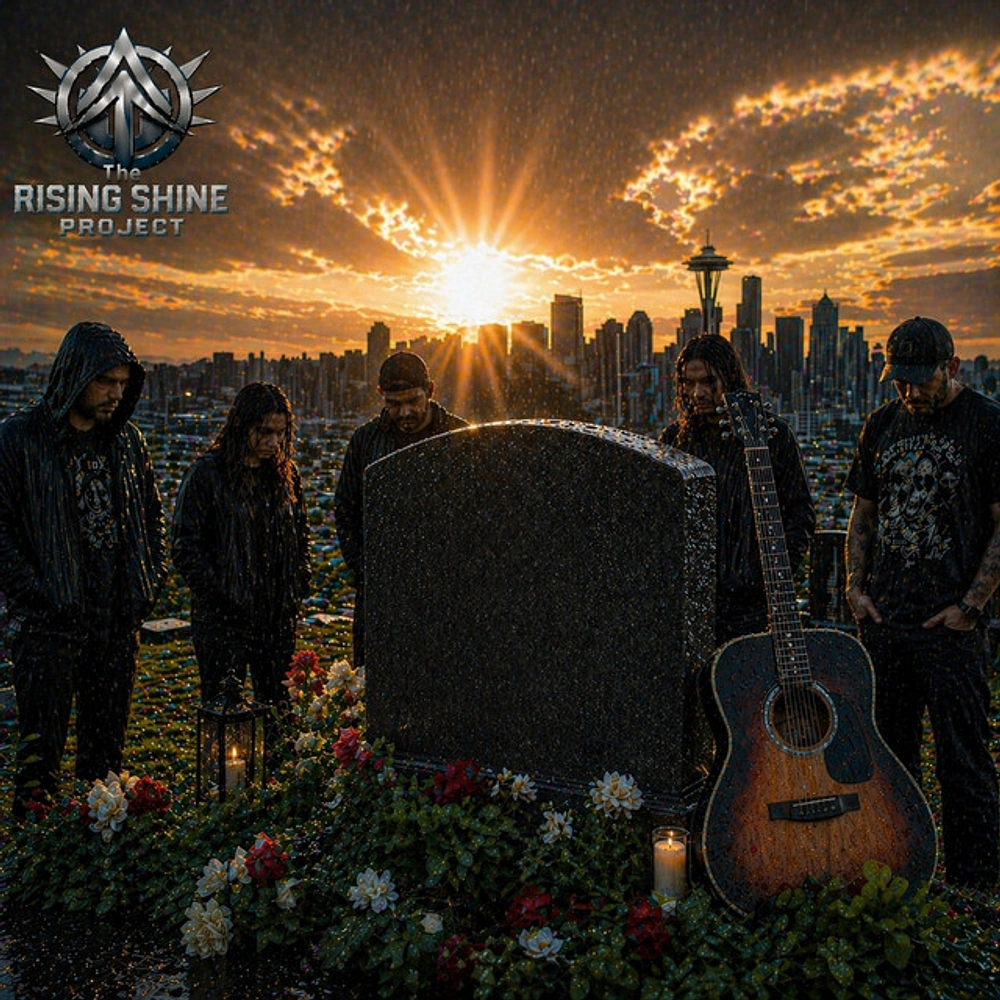
The Rising Shine Project released My Dad on 29 November 2025, and Henry Stoll is putting the track back in front of listeners. It opens on acoustic guitar with a folk violin line over the top, then widens out with drums and strings. It is a tribute to his father, and it does not pretend to be anything else.
You can listen to our full playlist which contains the artist’s music, and know more about the artist’s work by scrolling down the page.

How The Rising Shine Project Built My Dad Around A Violin And A Spoken Line
The Rising Shine Project works across Americana, country and rock pop, with a soft band sound that puts the vocal and the lyric first. My Dad sits at the traditional end of that range. The violin does most of the heavy lifting in the opening minute. The drums arrive late enough that their entry reads as a decision rather than a default. There is a guitar solo, and the tones underneath it are straight country rather than anything modernised.
Reviewing the track for KIMU in November 2025, Nik Thakkar picked out that opening pairing of acoustic guitar and violin, the widening arrangement, and the traditional country instrumentation. He named Eddy Arnold and Nat King Cole as the reference points the arrangement reaches for. That is a fair placement. This is a record for listeners who grew up with that kind of instrumentation, not for anyone chasing a contemporary country radio sound.
The moment the song turns on is not musical. Partway through, Stoll drops out of the melody and says, plainly, that he misses his dad. Spoken lines in songs usually feel like a device. This one does not, because the rest of the track has already earned it, and because he does not stay there long enough to make it a performance.

Who The Song Is For, And Why It Stays Direct
The audience here is not hard to identify. This is for people who want a song to say a plain thing plainly.
Anyone who has lost a parent will hear what it is doing immediately. Anyone who prefers their songwriting oblique will find it too direct. The song is a tribute first and a single second, and it is honest about that ordering.
That directness is also a choice rather than a limitation. The lyric never reaches for a metaphor to soften what it is about, and the arrangement never crowds the vocal to cover for it. On a subject this well-worn, restraint is the harder option, because a tribute song has a standing invitation to overplay itself.

How It Was Made, Alone And Without A Studio
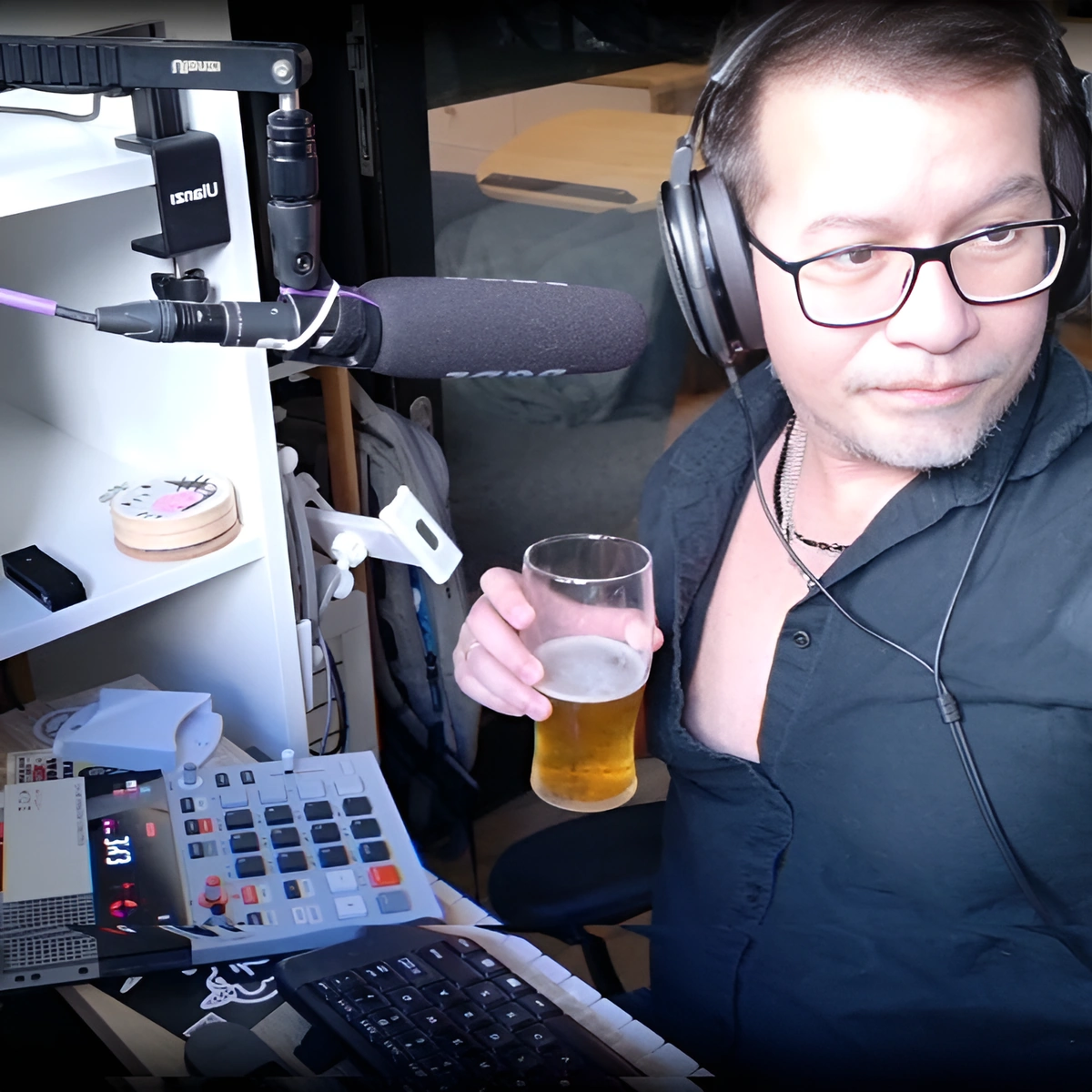
The production circumstances are worth stating, because they explain the record’s shape. Stoll made My Dad without a studio and without collaborators. By his own account it came together from a guitar, the feeling behind it, and a workflow he built himself using AI tools. He has been open about that rather than quiet, which is the right way round.
His own line on the writing is the useful one: you cannot force songs to life, you have to let them breathe. On a track like this that is not a platitude. A tribute song that arrives too fast usually sounds like one.
Stoll describes the project as making original music across several genres, aimed at listeners, producers and sync agents alike, and reviewers have picked up on the film and television potential here. That dual purpose is unusual to state out loud. Most songwriters would rather present a tribute as pure sentiment than admit it might also earn placement income.
It also affects how the track is built. A song written with sync in mind tends to leave room: fewer words competing with the melody, arrangements that can be cut down, an opening that establishes mood inside fifteen seconds. My Dad does all three, and it still does not feel engineered. The spoken line is the proof, because no library brief would have asked for it.
Where To Follow The Rising Shine Project Across Streaming And Socials
The coverage that followed came from the independent press rather than a label push. Tune Oasis wrote it up as a song about love outlasting loss. Lost in the Manor included it in its singer-songwriter picks in December, and further pieces ran in Brazilian and Mexican outlets. That is a wide spread for a self-released track by someone working alone.
For readers who follow Americana outside the label system, the combination of a plainly personal song and a working commercial intent is more common than the genre’s mythology admits. It is also usually where the good songs come from.
Listeners can stream My Dad on Spotify. Stoll posts across Instagram, Facebook and TikTok, and keeps videos on his YouTube channel.